
- Home
- Pharmacy Security
Pharmacy Security Systems in New York
- Controlled-substance access logs
- Cameras and alarms
- Built around pharmacy rules
Know who reached the controlled substances, and prove it.
- 1,000+
installations over 10+ years
- 24/7
support for managed-service clients
- Excellent
Rated 4.9/5 by 110+ NYC corporations
- 7 Active Teams
Operating throughout New York
Pharmacy security in New York starts behind the counter. Highline Integrated Security designs, installs and supports it end to end.
Security Problems Specific to Pharmacies
Pharmacy risk differs from general retail security systems and sits closer to healthcare security, because the biggest loss is often internal, quiet and regulated.
Drug diversion
Controlled-substance losses often surface at a count, long after they happened.
Shared keys and codes
Shared PINs to the controlled area make every record anonymous.
After-hours break-ins
Overnight break-ins often target drugs, not cash.
Robbery during trading hours
Staff need a discreet way to call for help.
Shrink at the front of store
Over-the-counter stock walks out.
Pharmacy Access Control With an Audit Trail
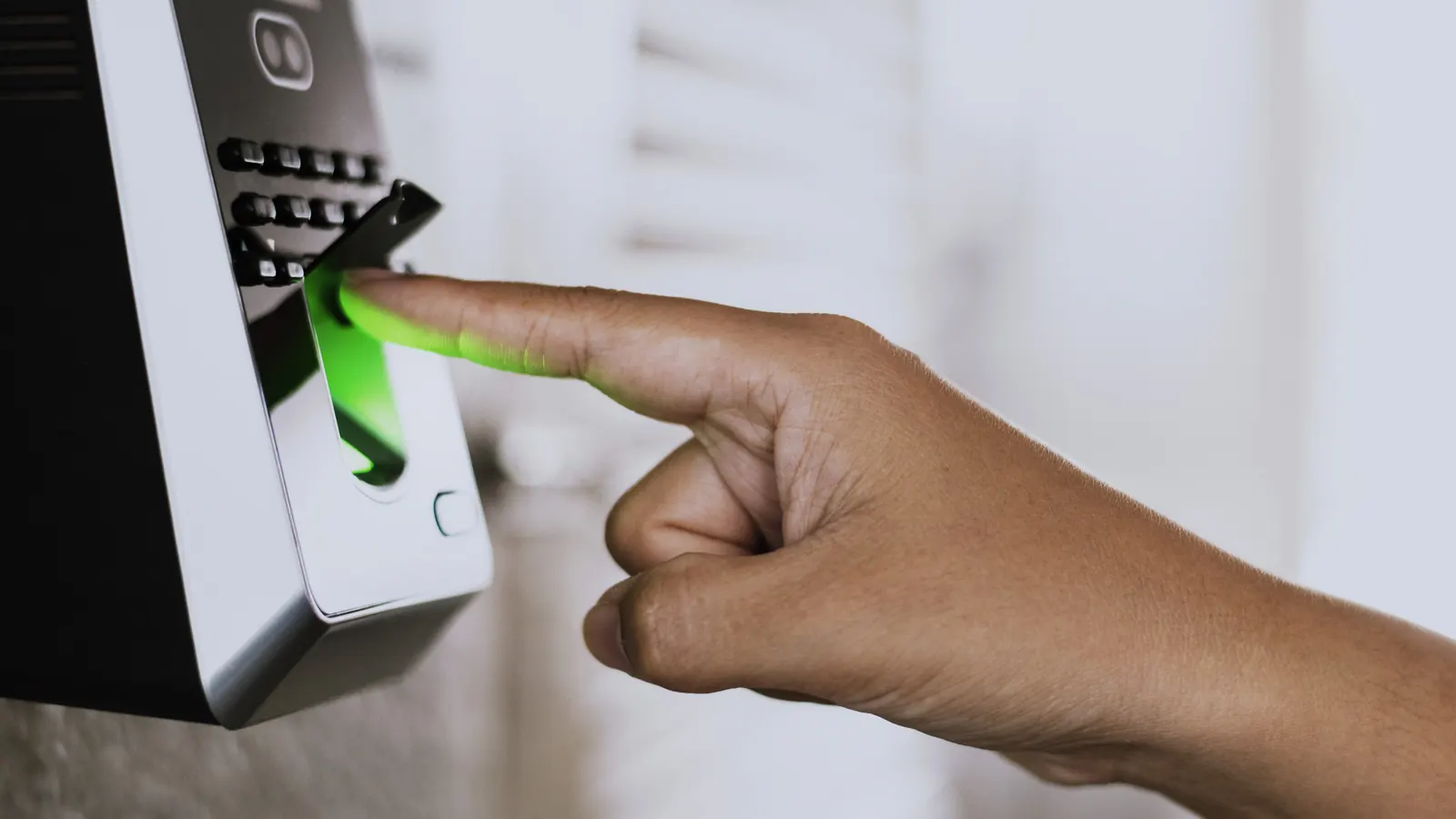
Pharmacy access control replaces keys and shared codes with individual credentials, so every opening is recorded against a named person. We design the access control system around who needs which room, and when.
| Area | What we design |
|---|---|
| Dispensary | Reader on the staff door; access for pharmacists and technicians on shift. |
| Controlled-substance storage | Electrified lock on the room or cabinet enclosure for named staff only. Two-person rules where the platform supports them. |
| Stock and receiving | Delivery schedule with door-held-open alerts. |
| Staff entrance | Access matched to opening hours; out-of-hours attempts flagged. |
Biometric readers
Salto and HID biometric readers cannot be lent, which suits the controlled area.
Tailgating at restricted doors
A held-open or tailgated controlled-area door raises an alert, checked against video.
Controlled Substance Storage Security: Designing to the Requirements
Controlled substance storage security is set by federal and state rules that the registrant must meet. We design to them; we do not certify compliance, and no one installing equipment can.
DEA safeguards
Registrants must provide effective controls against theft and diversion (21 CFR 1301.71). Pharmacies may store Schedule II–V substances in a securely locked, substantially constructed cabinet, or disperse them through noncontrolled stock (21 CFR 1301.75).
Loss reporting
A theft or significant loss must be reported to the DEA in writing within one business day of discovery, followed by DEA Form 106 (21 CFR 1301.76). Access reports and linked video show who reached the area, and when.
New York rules
The NYS Department of Health's Bureau of Narcotic Enforcement oversees state controlled-substance rules.
Requirements first
Our compliance-led security design starts with your pharmacist-in-charge and documents the system for inspections.
Cameras for Pharmacies
Pharmacy cameras should answer specific questions: who opened the controlled storage, what happened at the counter and who used the back door.
Coverage
NDAA-compliant Axis and Genetec commercial security cameras on the dispensary, controlled-area entrance, counter, receiving door and exterior, recorded on exacqVision.
Automated dispensing cabinets
In hospital and clinic pharmacies, cameras and door records cover the room around each cabinet.
Linked events
A review starts from the door record and jumps to the clip.
Retention
Set to the period your pharmacy, insurer or counsel requires.
After-Hours Intrusion, Hold-Up Alarms and the Storefront
After-hours protection layers detection so a break-in is caught early, and the storefront closes as firmly as the dispensary.
Intrusion zones
Door contacts, glass-break and motion detectors, with the controlled area as its own zone, through our commercial intrusion alarms.
Hold-up, panic and silent alarms
Discreet buttons at the counter and dispensary signal for help without alerting the person in front of you.
Monitored or local
Monitored systems alert emergency services or security personnel; local systems sound on site and alert designated phones.
Rolling security gates
Gates close and secure the shopfront outside trading hours.
Front-of-store retail
Anti-theft tagging and detection at the exit, and register cameras integrated with point-of-sale.
We do not install fire alarm systems. Where electrified locks sit on egress doors, we coordinate their release with your fire alarm vendor.
Pharmacy Security Systems That Agree With Each Other
When a count comes up short, the door record, the video and the alarm log need to agree. We design, install and maintain all of it as one system, so they do.
Synchronized time
Every event lines up across access, video and alarms.
Network segmentation
Cameras and access control run on their own secured network segment, separate from dispensing and point-of-sale systems.
Records areas
For pharmacies inside clinics or hospitals, access logs on records rooms support the facility's HIPAA program.
“The biometric access control system Highline installed at our medical office is a game-changer! Patients are impressed and staff love not having to carry keys anymore.”
Every system is backed by a 12-month warranty.
Fitting out a pharmacy or tightening controls after a loss?
How a Pharmacy Security Project Runs
Pharmacy projects are scheduled around trading hours.
- 01
Review
Walkthrough with the pharmacist-in-charge: layout, storage, staffing and requirements.
- 02
Design
Access zones, camera positions, alarm zones and hold-up points, documented per area.
- 03
Install
Scheduled around trading hours.
- 04
Handover
Every door, camera and zone tested; managers trained on reports.
- 05
Support
Managed service and maintenance, with 24/7 support for existing clients and a 4-hour response on critical failures.
FAQs
Pharmacy Security New York FAQs
Answers on DEA compliance, diversion, loss reporting, cameras, alarm monitoring and HIPAA.
Will a security system make our pharmacy DEA compliant?
A security system alone cannot make a pharmacy DEA compliant, because compliance depends on the registrant's procedures as well as equipment. We design to the requirements your pharmacist-in-charge identifies and document the system for inspections.
How does pharmacy access control help with diversion investigations?
Pharmacy access control helps with diversion investigations by recording every entry to restricted areas against a named person and time. Linked to video, each event can be reviewed directly.
What must a pharmacy do after a theft or significant loss of controlled substances?
After a theft or significant loss of controlled substances, a pharmacy must notify the DEA in writing within one business day of discovery and then file DEA Form 106. Access reports and video help establish what happened.
What should pharmacy cameras cover?
Pharmacy cameras should cover the dispensary, the controlled-storage entrance, the counter, receiving doors and the exterior, so every access event has a matching view.
How are pharmacy alarms monitored?
Pharmacy alarms are monitored by routing intrusion, panic and silent alarm signals to emergency services or security personnel; local systems alert designated contacts instead. We set the routing and test every zone before handover.
Does pharmacy security need to protect patient records under HIPAA?
Pharmacy security often needs to protect patient records, and HIPAA sets the facility's obligations. Access control and audit logs on records areas support your HIPAA program, but compliance stays with your privacy officer.
Know Who Reached the Controlled Substances
Tell us how your pharmacy runs. We'll design the system and support it after handover.