• 1,000+

    installations over 10+ years

  • 24/7

    support for managed-service clients

  • Excellent

    Rated 4.9/5 by 110+ NYC corporations

  • 7 Active Teams

    Operating throughout New York

What a Cisco Meraki Network Includes

A Cisco Meraki network is a set of hardware families managed from one cloud dashboard.

Meraki familyWhat it does
MX security and SD-WAN appliancesFirewall, routing, site-to-site VPN and remote-access VPN at the edge of each site
MS switchesCloud-managed access and aggregation switching in each closet
MR and CW access pointsMeraki's wireless range, managed in the same dashboard
MV smart camerasCameras that store video on the device, with people and vehicle analytics
MT sensorsEnvironmental and door sensors, such as the MT20 open/close sensor

Meraki MX Firewall and Meraki Switches: How We Design Them

Meraki design starts with the traffic the building carries, not the product list.

  • Meraki MX firewall at the edge

    Auto VPN builds a site-to-site mesh without manual tunnels. Remote users connect through Cisco Secure Client (formerly AnyConnect), authenticated through SAML, RADIUS or Active Directory.

  • Advanced Security licensing

    Snort-based intrusion prevention with Cisco Talos rulesets, malware protection and content filtering need the Advanced Security edition, set at design with our cybersecurity services.

  • MX warm spare

    A second MX of the same model takes over automatically if the primary fails.

  • Meraki switches sized per closet

    PoE for the cameras, readers and intercom stations each closet feeds, with stacking and headroom for the next fit-out.

  • Zero-touch provisioning

    Devices are claimed and configured in the dashboard before they reach site.

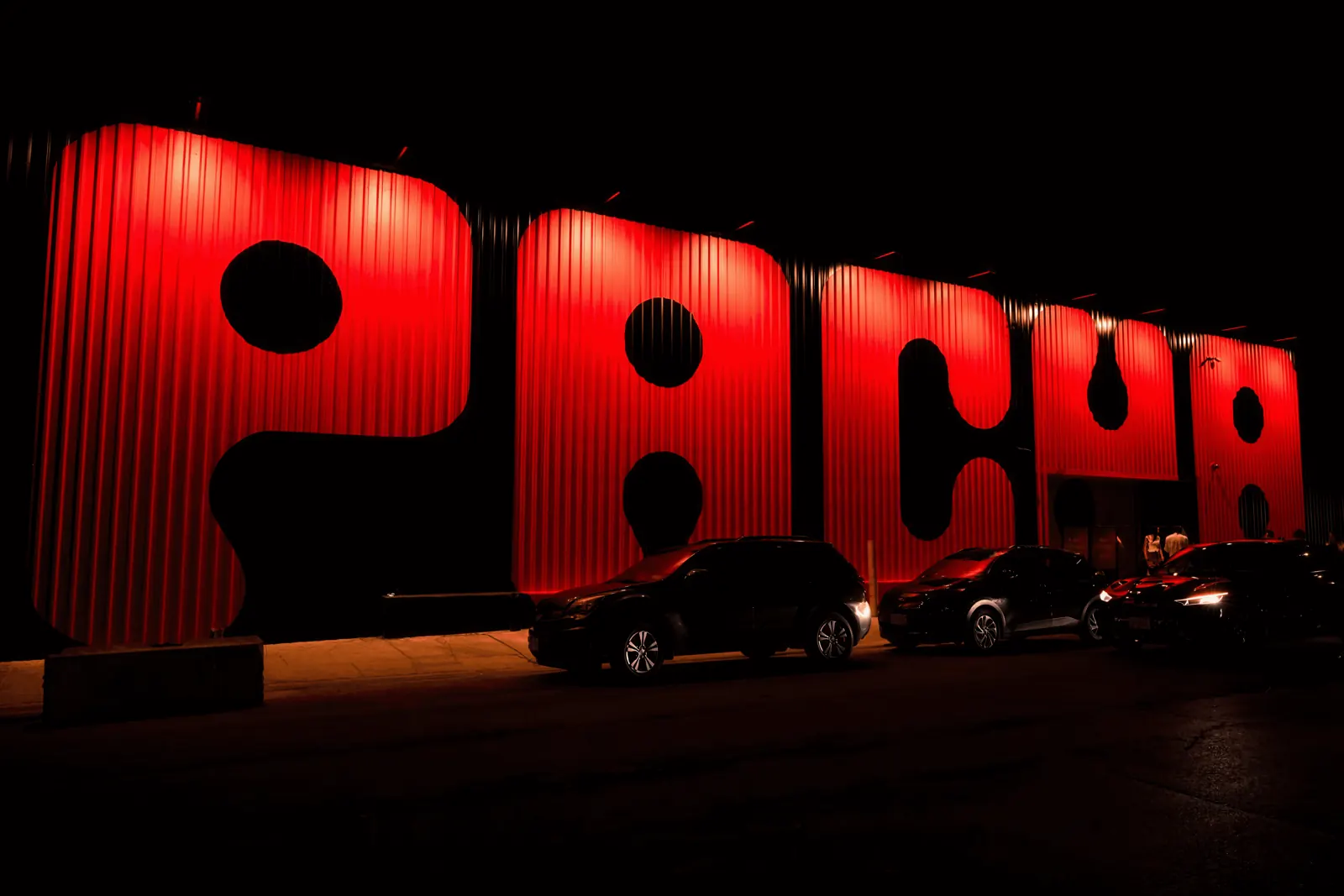
See Our Completed Network and Security Work at Pacha NYC

At Pacha NYC, with Five Development, we delivered technology for two venues, Brooklyn Hall and Pacha, on one program.

Standardizing on Meraki across one site or twenty?

Rated 4.9/5 5 stars by 110+ New York City businesses

Meraki Licensing: What to Know Before You Buy

Meraki licensing decides what happens at renewal, so it belongs in the design. Every current Meraki device needs a valid license to operate.

  • Subscription

    The model Cisco Meraki recommends. If a subscription falls out of compliance, Amber Mode keeps the network passing traffic.

  • Co-termination

    All devices share one expiry date, prepaid for one to seven years. Falling out of compliance risks shutting down the organization.

  • Per-device

    No longer available to new customers, but many existing networks still run on it.

Meraki Networks for Access Control and Video

A Meraki network that carries access control and video has to be designed around them. When a camera drops offline, the cause can be the camera, the PoE port, a firewall rule or the circuit, and we own every one.

  • Separate VLANs

    Cameras, access control, intercoms, building IoT, staff and guests each get their own network, with MX rules between them.

  • Video paths

    NDAA-compliant Axis and Genetec cameras recording to exacqVision stay on the camera VLAN.

  • Cloud access control

    Platforms such as Brivo and Salto KS get only the outbound connection they need.

  • Closet monitoring

    An MT20 sensor alerts the dashboard when the closet door opens.

Meraki Refresh and Migration

A Meraki refresh is planned around license dates and end-of-support hardware. We swap equipment without taking the security systems offline.

  • End-of-support hardware

    Older MX and MS models replaced on a planned schedule.

  • License model review

    Co-termination and per-device estates assessed before a move to subscription.

  • Staged cutover

    Pre-configured devices swapped closet by closet.

Cisco Meraki or Alta Labs: Which Fits?

Cisco Meraki or Alta Labs comes down to scale, edge security and licensing. We are a partner for both.

DecisionCisco MerakiAlta Labs
ScaleMulti-site portfolios, offices and campusesSingle sites and small portfolios
Edge securityMX with IDS/IPS, malware protection and content filteringRoute10 with IDS/IPS, DPI and VPN
LicensingRecurring license for every deviceCloud management included with the hardware
Typical fitCorporate offices, multi-site retail and hospitality, campusesRestaurants, boutiques and small offices

FAQs

Cisco Meraki Partner NYC FAQs

Short answers on reselling, license expiry and cost, Meraki cameras and project timelines.

Are you a Cisco Meraki reseller, or do you install too?

As a Cisco Meraki partner, we do more than resell: we specify hardware and licensing as part of a designed project, then install and support it. We do not sell Meraki hardware on its own.

What happens when a Meraki license expires?

What happens when a Meraki license expires depends on the model. Under subscription, Amber Mode keeps traffic flowing while you return to compliance; under co-termination, the organization risks shutdown. We track renewal dates for managed clients.

How much does a Meraki license cost?

A Meraki license costs what the device count, the license edition (such as Advanced Security) and the term require. We price it inside the project proposal.

Do you install Meraki security cameras?

We install NDAA-compliant Axis and Genetec cameras on exacqVision, and design the Meraki network to carry them. Where a site already runs Meraki security cameras, we keep them on their own VLAN under the same firewall rules.

How long does a Meraki project take?

A Meraki project typically takes 1–2 days for a small or mid-size scope, after survey and design. Larger and multi-site projects are phased.

Request a Cisco Meraki Site Assessment

Tell us how many sites you run and what the network carries today.

Rated 4.9/5 5 stars by 110+ New York City businesses

Call Site assessment