It’s easy to get stuck between the appeal of a quick DIY setup and the reassurance of having a professional handle everything for you.
One promises control and savings; the other, precision and peace of mind.
But when it comes to securing your home or building, the details matter – more than most people realize. Here’s a clear look at how DIY and professional security systems compare, and how to figure out which makes sense for you.
Key Notes
DIY costs $300-600 upfront, while professional monitoring runs $1,000+ first year (but pro systems often lower insurance premiums by 5–20%).
Professional monitoring provides 24/7 verification and emergency dispatch; DIY relies on you.
Licensed installers handle NYC permits, compliance, and code requirements automatically.
The Short Version
If you want to save on upfront costs and don’t mind getting hands-on, DIY systems can do a solid job. But if you’re after seamless coverage, professional-grade reliability, and 24/7 monitoring without the hassle, a professionally installed system is the way to go.
Factor | DIY System | Professional System |
|---|---|---|
Installation | Self-installed via app | Installed by certified technicians |
Monitoring | Self or optional third-party | 24/7 professional monitoring |
Reliability | Consumer-grade | Commercial-grade, tested systems |
Support | Limited | Ongoing, expert service |
Cost | Low upfront, minimal contracts | Higher upfront, ongoing fees |
What Counts as DIY vs Professional
DIY security systems are plug-and-play setups you install yourself. Most rely on peel-and-stick sensors, Wi-Fi cameras, and mobile apps for monitoring.
You’re responsible for installation, configuration, and handling alerts if something goes wrong.
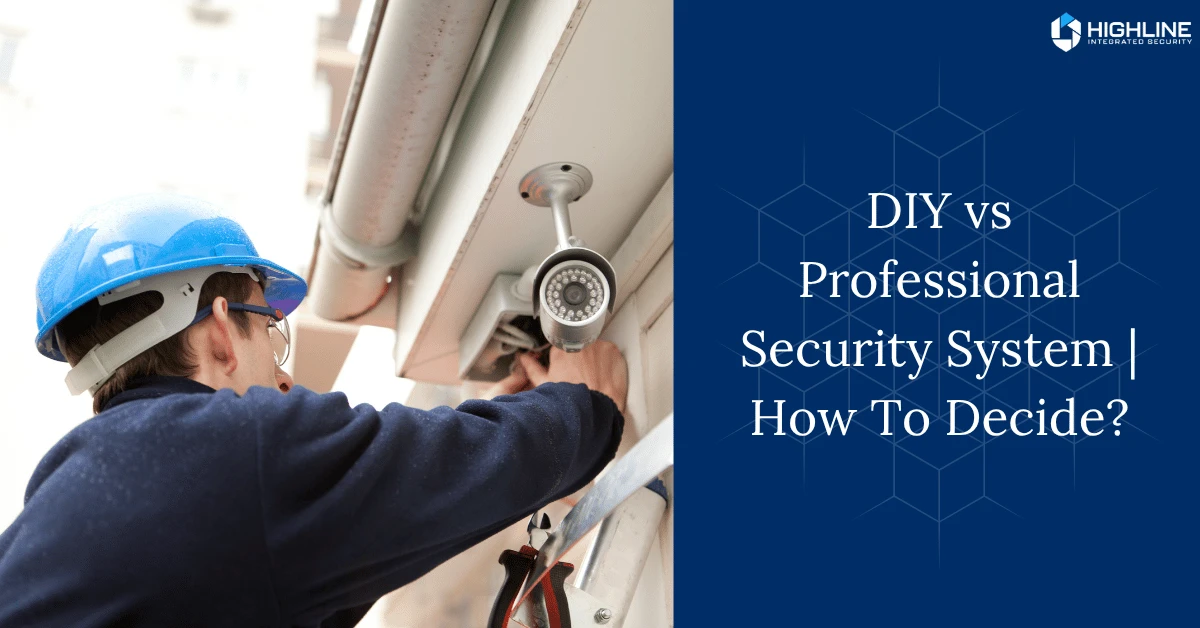
Professional security systems, on the other hand, are installed by trained technicians who assess your property, design the system, and handle all wiring and calibration.
These setups usually include professional monitoring and maintenance, meaning someone’s always watching – even when you’re not.
Who Each Option Fits Best
DIY Setups
DIY setups are great for smaller apartments, short-term renters, or homeowners who like to manage things themselves. They’re flexible, affordable, and easy to expand later.
Professional Systems
Makes more sense for homeowners who value peace of mind, live in larger/more complex properties, or require advanced protection (such as brownstones, multi-family buildings, or retail spaces).
If you’ve had break-ins or want something that just works without tinkering, go pro.
Pro Tip:
If your property involves multiple entry points, different access levels, or compliance requirements, skip DIY. Professional design will save you headaches and potential blind spots.
NYC Cost Reality Check
Professional installation in New York City costs more than in most places, but you’re paying for precision and compliance.
Equipment: $600–$1,200 for a typical home or small business setup
Installation Labor: $300–$600 depending on complexity
Monitoring: $20–$50/month for 24/7 coverage
First-Year Total: Around $1,000–$2,400 for a complete professional system
DIY systems cost less upfront (often $300–$600) but you’ll need to handle installation, upgrades, and troubleshooting yourself. The savings can look good on paper – until a false alarm or poorly placed sensor exposes a gap.
Also worth noting: Professionally monitored systems often lower insurance premiums by 5–20%, which can offset part of the cost.
Hidden Costs Homeowners Overlook
For DIY Systems:
Battery replacements and power adapters
Upgrades as your needs evolve
Optional subscription fees for cloud storage or third-party monitoring
False alarms caused by poor placement or calibration
For Professional Systems:
Permitting and inspection fees (especially in NYC)
Maintenance contracts and occasional upgrade costs
Potential change orders for system expansions
The key is transparency – know every fee before you commit. Reputable providers will lay out all costs upfront.
Installation Quality & Reliability
Here’s where DIY often falls short. Placement and configuration matter more than most people realize. A motion sensor pointed toward a window or air vent can trigger false alarms daily. A camera installed too high might miss a face entirely.
Professionals perform a site assessment before installation, mapping entry points, lighting, and risk zones. They ensure sensors, cameras, and wiring work together without blind spots. You’ll also get in-person training before they leave—so you know exactly how to use your system.
This level of setup is hard to replicate on your own. It’s why even tech-savvy homeowners often bring in experts after a few DIY misfires.
Hardware and Security Standards
Professional-grade systems aren’t just more expensive – they’re built differently.
They use:
Commercial-grade sensors and cameras built to withstand harsh conditions
Advanced encryption and tamper-resistant housings
Multiple communication channels (cellular, broadband, and landline)
Certified compliance with security standards like EN50131 or UL listings
DIY gear tends to be consumer-grade: fine for casual monitoring, but not ideal for mission-critical protection. Software updates, warranty coverage, and compatibility are also less consistent.
Monitoring: The Real Difference Maker
DIY systems usually rely on self-monitoring. You get a phone alert, check a camera feed, and decide what to do. It’s fine when you’re awake, available, and close to home.
But what about when you’re asleep, traveling, or your phone’s on silent?
Professional monitoring provides 24/7 oversight from trained operators. When an alarm triggers, they verify it (often through audio or video) and contact emergency services immediately.
That verification process is crucial in NYC, where police often require confirmation before dispatching.
Integration and Smart Home Compatibility
Today’s systems do more than sound alarms. They also manage lighting, locks, thermostats, and cameras from a single app.
DIY systems usually integrate with mainstream platforms like Alexa or Google Home, but compatibility can vary widely. You’ll need to check device-by-device support and handle troubleshooting.
Professional systems, by contrast, are designed to integrate seamlessly across access control, cameras, intercoms, and automation platforms.
Installers test and configure everything for reliability, not just connectivity. That’s especially important in multi-unit or commercial properties where one malfunction can affect multiple users.
NYC Compliance and Licensing
In New York City, certain systems, especially wired alarms or those connected to monitoring centers, require permits. Fire alarm systems and commercial installs often need sign-off from the FDNY or licensed electricians.
Licensed installers (like us at NYHLS 👋) handle this automatically, ensuring every system is code-compliant and properly registered. DIY setups skip this entirely, but skipping permits can lead to fines or non-response from emergency services.
Decision Framework: DIY or Professional?
Ask yourself:
How complex is my property?
Do I have the time and skill to install and troubleshoot?
How important is 24/7 professional monitoring?
What’s my tolerance for false alarms or system downtime?
Am I looking for short-term affordability or long-term reliability?
If you scored high on convenience, reliability, or compliance, a professional system is your safer bet. If budget and control matter more, a well-installed DIY kit can work for now (with an upgrade path later).
When to Move from DIY to Professional?
You might start with a DIY system and later realize you’ve outgrown it. Signs include:
Repeated false alarms or missed alerts
Adding more devices that stop syncing properly
Planning renovations or expanding your property
Insurance requirements for professional monitoring
Needing compliance documentation for landlords or insurers
Professional installers can often integrate or upgrade existing DIY components, so you don’t have to start from scratch.
Ready For Security You’ll Never Second-Guess?
Get expert design, flawless installation, and 24/7 peace of mind.
Frequently Asked Questions
Can I start with a DIY system and have it professionally monitored later?
Yes, many modern DIY systems allow you to upgrade to professional monitoring when you’re ready. Just confirm the brand supports third-party monitoring or integration with certified monitoring centers before purchase.
Do professional systems work if my internet goes out?
Most professional systems use cellular or dual-path communication, so they stay active even if Wi-Fi fails. This redundancy ensures continuous monitoring and emergency response.
How often should I test or service my security system?
DIY users should run manual tests monthly, while professionally monitored systems are typically tested automatically and serviced annually to maintain compliance and reliability.
Can professional installers use equipment I already own?
In many cases, yes. Licensed installers can often integrate compatible DIY components into a new, unified system – though older or uncertified hardware may need replacing for full functionality.
Conclusion
Choosing between a DIY vs professional security system comes down to how much control, time, and confidence you want in your setup.
DIY works fine for smaller spaces and those comfortable troubleshooting tech, but it often misses the small details that make a system truly dependable.
A professional installation, on the other hand, means your layout is analyzed, devices are placed precisely, and your system is backed by real people watching 24/7 – not just an app notification.
If you’d rather skip the trial and error and know your system is done right from the start, book a free appointment. Our team will assess your property, tailor a system to your needs, and show you what expert-level protection really looks like.